Porcelain Veneers vs Composite Bonding: Which Should You Choose?
Compare porcelain veneers and composite bonding to learn the differences in cost, durability, appearance, and which cosmetic treatment is right for you.

Dr. Raman Nazari
In
Dental Care
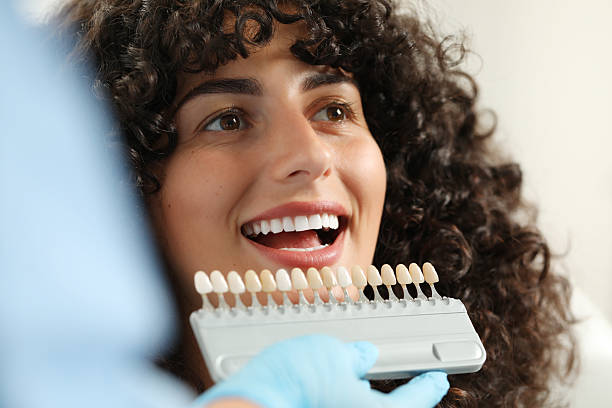
When it comes to transforming your smile, you have two highly effective cosmetic dentistry options: porcelain veneers and composite bonding. Both treatments can improve chips, gaps, discoloration, uneven teeth, and minor cosmetic imperfections, but they are very different in terms of materials, durability, maintenance, and long-term investment.
Choosing between veneers and bonding is not simply about cost. It is about your smile goals, lifestyle habits, timeline, and the level of transformation you want to achieve.
If you are considering cosmetic dentistry in the Bay Area, understanding the difference between these treatments is the first step toward creating a smile that looks both beautiful and natural.
Patients seeking long-lasting smile enhancements often explore porcelain veneers in San Jose because of their durability, stain resistance, and highly aesthetic appearance.
Understanding the Cosmetic Investment Matrix
Both veneers and composite bonding can dramatically improve your smile, but they function very differently.
Porcelain Veneers
Porcelain veneers are ultra-thin ceramic shells custom-designed to cover the front surface of your teeth. They are permanently bonded to the tooth and crafted in a dental laboratory for precise color, shape, and translucency.
Porcelain veneers are widely considered the gold standard for smile makeovers because they closely mimic natural tooth enamel.
Key benefits include:
Exceptional stain resistance
Highly natural appearance
Long-lasting durability
Resistance to discoloration from coffee, tea, and wine
Custom smile design for each patient
Clinical studies show porcelain veneers have a survival rate exceeding 95% over 10 years when properly maintained.
However, veneers typically require the removal of a very small amount of natural enamel to ensure the most natural fit and appearance.
Patients who want a complete smile transformation often combine veneers with Invisalign treatment in San Jose to first align teeth before final cosmetic enhancement.
Composite Bonding
Composite bonding uses a tooth-colored resin material that is sculpted directly onto the tooth surface by the dentist.
Bonding is one of the most conservative cosmetic procedures available because it usually requires little to no removal of healthy tooth structure.
Benefits of composite bonding include:
Faster treatment process
More affordable upfront cost
Same-day results
Minimally invasive treatment
Easy repairs if damaged
Bonding is especially effective for:
Minor chips
Small gaps
Uneven edges
Small cosmetic corrections
However, composite resin is more porous than porcelain, meaning it can stain over time and may require touch-ups or replacement every few years.
Veneers vs. Bonding Comparison
Feature | Porcelain Veneers | Composite Bonding |
|---|---|---|
Lifespan | 10–15+ years | 3–7 years |
Stain Resistance | Excellent | Moderate |
Cost Level | Higher upfront investment | More budget-friendly |
Enamel Removal | Small amount usually required | Little to none |
Procedure Time | Multiple visits | Often completed in one visit |
Durability | Very strong and long-lasting | More prone to chipping or staining |
Best For | Full smile makeovers | Minor cosmetic corrections |
Making the Right Cosmetic Choice
Patients considering cosmetic dental procedures often have several important questions before choosing between veneers and bonding.
Patients often compare veneers and bonding when planning a smile makeover because each option offers unique advantages. If you're trying to determine which veneer material best suits your goals, budget, and lifestyle, read our guide Should You Choose Composite Or Porcelain Veneers for a detailed comparison.
Does Composite Bonding Ruin Your Natural Teeth?
No, composite bonding does not damage healthy teeth when performed correctly. In fact, bonding is considered highly conservative because very little tooth structure is removed.
This also means bonding is generally reversible, making it a popular option for younger patients or those wanting a temporary cosmetic enhancement.
Can You Switch from Bonding to Veneers Later?
Yes. Many patients begin with composite bonding as a more affordable cosmetic solution before later upgrading to porcelain veneers.
This allows patients to preview changes in tooth shape and appearance before committing to permanent veneers.
How Much Do Porcelain Veneers Cost Compared to Composite Bonding?
Porcelain veneers are a larger upfront investment because they are custom-crafted in a dental laboratory using advanced ceramic materials.
Composite bonding is completed entirely in the dental chair, making it significantly more affordable initially.
However, veneers often provide greater long-term value because they resist staining and typically last much longer than bonding.
Patients who need structural restoration in addition to cosmetic improvements may also require custom dental crowns and caps for severely damaged teeth.
Choosing between cosmetic bonding, veneers, and crowns can sometimes be confusing because each treatment serves a different purpose. If you're unsure which option is right for your situation, read Should You Get Veneers Bonding Or Crowns to understand the benefits, limitations, and ideal candidates for each treatment.
Which Option Looks More Natural?
Both treatments can create beautiful results, but porcelain veneers generally provide the most realistic appearance because ceramic materials reflect light similarly to natural enamel.
Porcelain veneers are also custom-designed with subtle translucency and color layering that mimic natural teeth extremely well.
Composite bonding can still look highly attractive when performed by an experienced cosmetic dentist, especially for small corrections or isolated teeth.
The quality of the final result depends heavily on the artistic skill and experience of the provider.
How to Maintain Your Cosmetic Results
Whether you choose veneers or bonding, proper maintenance is essential for protecting your investment.
Helpful care tips include:
Brush and floss daily
Avoid chewing hard objects
Limit staining foods and beverages
Wear a nightguard if you grind your teeth
Schedule regular dental cleanings
Avoid using teeth as tools
Routine preventive dental cleanings help keep both veneers and bonding looking healthy and polished for years.
Patients who maintain long-term care with a trusted family dentistry in San Jose often experience better cosmetic longevity and oral health outcomes.
Who Is the Best Candidate for Veneers?
Porcelain veneers are often ideal for patients who:
Want a dramatic smile transformation
Have multiple cosmetic concerns
Want long-lasting results
Have stubborn discoloration
Desire a highly polished Hollywood-style smile
Veneers are especially popular among professionals, public speakers, and patients seeking maximum confidence in social and professional settings.
Who Is the Best Candidate for Composite Bonding?
Composite bonding may be ideal for patients who:
Need small cosmetic corrections
Want a faster treatment
Prefer a lower upfront cost
Want minimal enamel removal
Need temporary cosmetic improvements
Bonding is also commonly used to repair chipped teeth quickly and conservatively.
Which Option Fits Your Timeline and Budget?
If you have a minor chip on one tooth or want a fast, budget-friendly correction before a wedding, vacation, or special event, composite bonding may be the ideal solution.
However, if you want a long-lasting smile makeover that resists staining and maintains its appearance for many years, porcelain veneers are often the better long-term investment.
Your smile is one of the first things people notice about you, and investing in high-quality cosmetic dentistry can dramatically improve confidence, appearance, and overall self-esteem.
"Your smile is your signature. Whether we use composite resin for a quick fix or porcelain for a lifetime transformation, our goal is to make it look flawlessly natural." — Dr. Raman Nazari, DDS
If you are ready to explore your cosmetic dentistry options, schedule a consultation with a trusted San Jose dental practice to design the smile that best fits your goals and lifestyle.
Blog