6 Signs You May Need Dental Implants
Discover 6 common signs you may need dental implants, including missing teeth, loose dentures, jawbone loss, and difficulty chewing comfortably.

Dr. Raman Nazari
In
Dental Care
Losing a tooth is about more than just a gap in your smile. Missing teeth can affect the way you eat, speak, and feel about yourself every single day. Over time, tooth loss can also impact your jawbone health, facial appearance, and overall oral function.
If you are struggling with a failing tooth, loose dentures, or difficulty chewing certain foods, you may be wondering whether dental implants are the right solution for you.
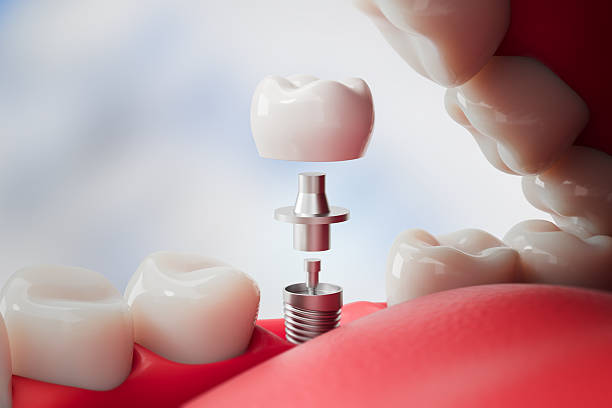
Modern dental implants are considered the gold standard in restorative dentistry because they closely mimic the look, feel, and function of natural teeth. Unlike removable dentures or traditional bridges, implants are designed to become a permanent part of your smile.
Patients looking for long-lasting tooth replacement solutions often choose dental implants in San Jose because they provide exceptional stability, durability, and natural aesthetics.
The Smile Restoration Blueprint
How do you know if it is time to consider dental implants? Here are six common signs that implants may be the ideal solution for your smile and oral health.
1. You Have a Missing Tooth
Even one missing tooth can create long-term problems for your bite and oral health.
When a gap is left untreated, nearby teeth may gradually shift out of alignment, causing:
Bite issues
Uneven tooth wear
Difficulty chewing
Increased risk of decay and gum disease
Replacing missing teeth early helps maintain proper spacing and overall dental stability.
2. Your Jawbone Is Beginning to Shrink
One of the biggest hidden consequences of tooth loss is jawbone deterioration.
Natural tooth roots stimulate the jawbone whenever you chew. Once a tooth is lost, that stimulation disappears, causing the bone to gradually shrink over time.
Bone loss can eventually lead to:
A sunken facial appearance
Premature facial aging
Loose dentures
Changes in facial structure
Dental implants are the only tooth replacement option that actively stimulates the jawbone, helping preserve facial structure and long-term bone health.
Patients with advanced bone loss may still qualify for implants through additional procedures such as bone grafting.
3. You Struggle to Chew Certain Foods
Do you avoid foods like steak, apples, nuts, or crunchy vegetables because chewing feels uncomfortable or difficult?
Missing teeth and unstable dentures can dramatically reduce chewing efficiency, affecting both nutrition and quality of life.
Dental implants restore strong biting power and allow patients to comfortably eat many foods they previously avoided.
Unlike removable dentures, implants remain securely anchored in place while eating and speaking.
Patients who maintain healthy gums through routine preventive dental cleanings often experience better long-term implant success.
4. Your Dentures Feel Loose or Uncomfortable
Many denture wearers become frustrated with slipping, clicking, or shifting dentures during meals and conversations.
Traditional dentures may also require:
Adhesives
Frequent adjustments
Dietary restrictions
Removal at night
Implant-supported dentures provide a far more stable and comfortable solution. They snap securely into place and significantly improve confidence while eating and speaking.
Patients who are tired of uncomfortable removable appliances often transition from dentures to Zimmer dental implants in San Jose for improved comfort and long-term stability.
5. You Have a Severely Cracked or Failing Tooth
Some damaged teeth cannot be successfully repaired with fillings or crowns.
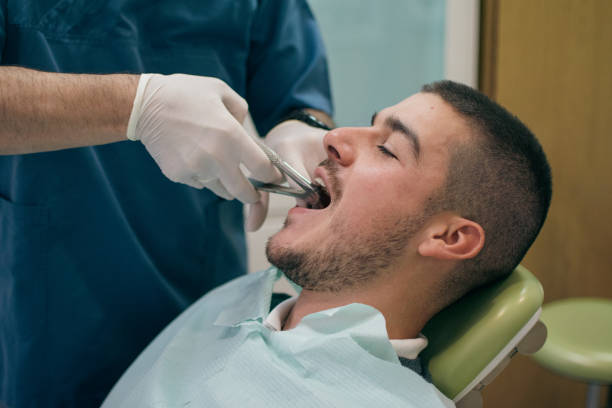
When a tooth is cracked below the gumline or severely infected, extraction may become necessary to protect surrounding oral health.
In many cases, an implant can be placed shortly after extraction to restore both appearance and function.
Patients with damaged teeth may first require tooth extraction services before implant placement.
For less severe damage, custom dental crowns and caps may still help preserve the natural tooth structure.
6. You Want a Long-Term, Low-Maintenance Solution
One of the biggest benefits of dental implants is their simplicity.
Unlike dentures that require soaking solutions or adhesives, implants are cared for just like natural teeth.
You simply:
Brush twice daily
Floss regularly
Visit your dentist for routine checkups
Maintain healthy oral hygiene habits
With proper care, dental implants can last for decades and often even a lifetime.
This makes implants one of the most cost-effective long-term dental solutions available today.
Long-term success depends heavily on maintaining good oral hygiene and regular dental visits. To learn the best practices for protecting your investment and maximizing implant longevity, read How To Care For Your Dental Implants For Long Term Success.
Exploring the Dental Implant Process
Patients considering implants often want to better understand how the treatment process works.
Am I a Good Candidate for Dental Implants?
Most healthy adults with sufficient jawbone density are excellent candidates for implants.
Good candidates typically have:
Healthy gums
Good oral hygiene habits
Adequate bone support
No uncontrolled chronic health conditions
Even patients with some bone loss may still qualify through advanced restorative procedures.
How Long Does the Implant Process Take?
Dental implants are completed in stages to allow the implant to fuse naturally with the jawbone through a process called osseointegration.
While the surgical placement itself may only take about an hour per implant, complete healing and restoration may take several months.
How Much Do Dental Implants Cost in San Jose?
Dental implants typically involve a higher upfront investment than bridges or dentures.
However, because implants are designed to last for decades, they often provide superior long-term value and fewer replacement costs over time.
Dentures vs. Dental Implants
Feature | Dentures | Dental Implants |
|---|---|---|
Comfort | May slip or irritate gums | Secure and natural-feeling |
Bite Force | Reduced chewing strength | Nearly full chewing power restored |
Maintenance | Requires adhesives and soaking | Brush and floss like natural teeth |
Bone Health | Bone loss continues over time | Helps preserve jawbone structure |
Stability | Can move during eating or speaking | Permanently anchored in place |
Longevity | Often replaced every several years | Can last decades or longer |
The Emotional Impact of Missing Teeth
Many patients underestimate how much tooth loss can affect self-confidence and social comfort.
Missing teeth may cause people to:
Avoid smiling in photos
Feel embarrassed while speaking
Withdraw socially
Experience anxiety during meals
Dental implants not only restore function but also help patients regain confidence in their appearance and everyday interactions.
Denture Frustration vs. Implant Freedom
Traditional dentures can reduce bite force by up to 80% and often require constant maintenance, adhesives, and adjustments.
Dental implants provide a permanent solution that restores stability, comfort, and confidence.
Whether you are missing one tooth or several, implants can dramatically improve your ability to eat, speak, and smile naturally again.
"Dental implants don't just replace a tooth; they restore your confidence to eat, laugh, and live without hesitation." — Dr. Raman Nazari, DDS
If you are tired of hiding your smile or struggling with loose dentures, schedule a consultation with a trusted San Jose dentist to find out whether dental implants are the right solution for you.
Blog