When Is a Tooth Extraction Necessary?
Learn when a tooth extraction is necessary, common warning signs, recovery expectations, and when saving the tooth may still be possible.

Dr. Raman Nazari
In
Dental Care

No one wants to hear that they need a tooth pulled. If you are experiencing severe tooth pain in San Jose and wondering whether a tooth extraction is necessary, you are likely dealing with a mix of discomfort, stress, and uncertainty.
The good news is that modern dentistry focuses heavily on preserving natural teeth whenever possible. Dentists today use advanced restorative procedures, digital imaging, and minimally invasive techniques to save damaged teeth before considering extraction.
However, there are situations where removing a tooth becomes the safest and healthiest option for protecting the rest of your mouth and preventing more serious complications.
Patients experiencing severe pain, infection, or damaged teeth often visit a trusted San Jose dental practice for a comprehensive evaluation and personalized treatment plan.
"Our primary goal is always to save your natural teeth. But when an extraction is the only way to protect your overall health, we ensure the process is virtually painless and completely stress-free." — Dr. Raman Nazari, DDS
The Tooth Preservation Promise
At our San Jose clinic, we follow a strict “Tooth Preservation Promise.” This means tooth extraction is only recommended when restorative options have a low chance of long-term success.
Before recommending extraction, dentists typically evaluate whether treatments such as fillings, crowns, or root canals can still save the tooth.
Patients needing advanced restorative dental treatments are often able to preserve their natural smile without requiring extraction.
However, here are the most common reasons a tooth may eventually need to be removed.
1. Severe Tooth Decay
Untreated cavities can progressively destroy the structure of a tooth.
When decay spreads deep below the enamel and reaches the tooth root or surrounding bone, the tooth may no longer be strong enough to restore with a filling or crown.
In some cases, root canal treatment can still save the tooth. However, if too much structure has been lost, extraction may become necessary to prevent infection from spreading.
Patients who experience severe tooth pain or infection may also require emergency dental treatment in San Jose for immediate relief.
2. Advanced Gum Disease
Periodontal disease is one of the leading causes of adult tooth loss.
Gum disease damages the tissues and bone supporting your teeth. Over time, severe bone loss can cause teeth to loosen and become unstable.
Signs of advanced gum disease may include:
Bleeding gums
Gum recession
Loose teeth
Persistent bad breath
Pain while chewing
When the supporting bone becomes too weak, extraction may be the healthiest long-term option.
Routine preventive dental cleanings play a major role in preventing gum disease before it reaches advanced stages.
3. Impacted Wisdom Teeth
Wisdom teeth often do not have enough room to grow properly.
As a result, they may become trapped beneath the gums or push against neighboring teeth, causing:
Jaw pain
Swelling
Infection
Tooth crowding
Damage to nearby teeth
Removing impacted wisdom teeth early often prevents more painful complications later.
Patients dealing with impacted wisdom teeth commonly seek tooth extraction services in San Jose to relieve discomfort and protect surrounding teeth.
4. Severely Cracked or Broken Teeth
Not all cracked teeth can be repaired.
Small cracks may sometimes be treated with dental crowns, but teeth fractured below the gumline are often impossible to restore successfully.
Severe fractures can expose nerves, increase infection risk, and make chewing extremely painful.
In some situations, custom dental crowns and caps may still preserve damaged teeth if enough healthy structure remains.
5. Overcrowding Before Orthodontic Treatment
In certain orthodontic cases, removing one or more teeth helps create the space needed for proper alignment.
This is especially common when teeth are severely crowded or when bite correction requires additional room.
Patients preparing for Invisalign treatment in San Jose may occasionally need extractions to achieve optimal alignment results.
Frequently Asked Questions During Consultations
Patients often have concerns about both the procedure itself and the recovery process.
What Is the Cost of a Tooth Extraction in San Jose?
The cost varies depending on whether the extraction is simple or surgical.
Simple extractions are generally more affordable because the tooth is fully visible above the gums. Surgical extractions, such as impacted wisdom teeth removal, require more advanced techniques.
Your dentist should always provide transparent pricing and discuss all treatment options beforehand.
How Long Does Recovery Take?
Most patients recover within 48 to 72 hours after a simple extraction.
Mild swelling and soreness are normal during the first few days, but symptoms usually improve quickly when aftercare instructions are followed carefully.
Helpful recovery tips include:
Eating soft foods
Avoiding smoking
Not using straws
Applying ice packs
Keeping the area clean
Do I Need a Dental Implant Immediately After Extraction?
Not always on the same day, but replacing a missing tooth early is highly recommended.
Leaving gaps untreated can lead to:
Bone loss
Teeth shifting
Bite problems
Difficulty chewing
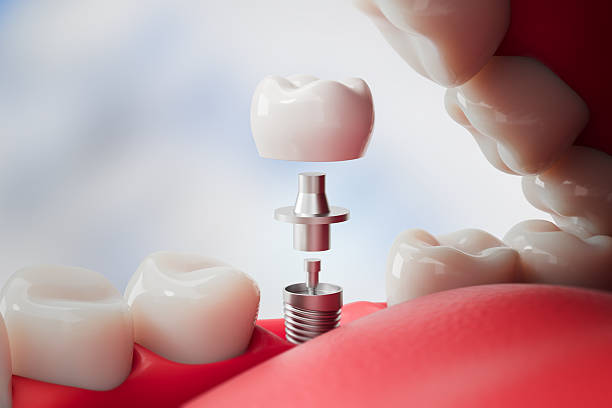
Many patients later restore their smile with dental implants in San Jose for a permanent and natural-looking replacement option.
Patients interested in advanced implant technology may also explore Zimmer implants in San Jose for long-term restorative stability.
Simple vs. Surgical Tooth Extractions
Procedure Type | Recovery Time | Common Use Cases |
|---|---|---|
Simple Extraction | 2–3 Days | Visible teeth with minimal damage |
Surgical Extraction | Several Days to 1 Week | Impacted wisdom teeth or severely broken teeth |
Emergency Extraction | Varies by severity | Infected or painful teeth needing immediate care |
Orthodontic Extraction | Usually mild recovery | Creating space for alignment treatment |
Warning Signs You Should Not Ignore
Tooth pain is your body’s warning signal that something is wrong.
Ignoring symptoms may allow infections to spread deeper into the gums, jawbone, or bloodstream.
You should contact a dentist immediately if you experience:
Throbbing pain that disrupts sleep
Swelling in your gums or face
Fever with tooth pain
Difficulty chewing
A broken tooth below the gumline
Severe sensitivity to pressure
Seeking treatment early often prevents more serious complications and reduces overall treatment costs.
How to Prevent Future Extractions
While not every extraction can be avoided, many cases are preventable with proper oral care.
Important prevention habits include:
Brushing twice daily
Flossing regularly
Attending routine dental checkups
Treating cavities early
Avoiding tobacco products
Wearing a mouthguard during sports
Patients who maintain regular care with a family dentistry in San Jose are more likely to preserve their natural teeth long-term.
Should You Wait It Out or Call a Professional?
Many people attempt to manage severe tooth pain with over-the-counter medication alone, hoping the problem will disappear.
Unfortunately, dental infections rarely improve without professional treatment. Waiting too long can increase pain, worsen infection, and eventually lead to more extensive procedures.
If you are experiencing persistent pain, swelling, or a severely damaged tooth, scheduling an evaluation early gives you the best chance of preserving your oral health and avoiding complications.
Do not let fear keep you in pain. Contact Raman Nazari DDS today for a gentle and comprehensive dental evaluation.
Blog