The Complete Guide to Handling a Dental Emergency
Learn how to handle a dental emergency, manage tooth pain at home, know when to visit a dentist or ER, and protect your smile with fast treatment.

Dr. Raman Nazari
In
Dental Care

A dental emergency can be scary, especially if it involves sudden pain, swelling, or a broken tooth. Dental emergencies often happen unexpectedly during meals, sports activities, or even while sleeping. In the United States, about 1 in 6 people will face a dental emergency this year. Knowing what to do in the first few minutes can save your tooth, reduce complications, and lower your treatment costs.
Quick action is one of the biggest factors that determines whether a damaged tooth can be saved. Delaying treatment may allow infections to spread, increase pain levels, and lead to more extensive dental procedures later.
This guide explains how to identify a dental emergency, how to manage pain at home, when to visit the ER, and what to expect when you visit an urgent care dentist in San Jose.
1. What Counts as a Dental Emergency?
Not every dental issue needs to be fixed at 2:00 AM. However, certain symptoms should never be ignored because they may indicate serious infection, trauma, or structural damage.
Knocked-Out Tooth
This is one of the most urgent dental emergencies. If you act within 30 minutes, a dentist can often save and successfully reattach the tooth.
Always pick the tooth up by the crown, not the root. Rinse it gently with water if dirty, but avoid scrubbing or removing attached tissue.
Patients with severe tooth trauma may later require restorative dental treatments if the tooth cannot be preserved.
Severe Pain or Swelling
If you have throbbing pain that keeps you awake or visible swelling in your gums, jaw, or face, you may have a dental abscess or serious infection requiring immediate attention.
Untreated infections can spread into surrounding tissue and may eventually become dangerous if ignored for too long.
Uncontrolled Bleeding
If your mouth continues bleeding after applying firm pressure for 10 minutes, seek emergency care immediately. Persistent bleeding can indicate deeper trauma or injury.
Broken or Cracked Tooth
If the break is large, sharp, or causing pain, it should be treated as an emergency. Smaller cosmetic chips may be able to wait a day or two.
In cases where the tooth structure is severely damaged, custom dental crowns and caps may be recommended to restore strength and appearance.
Lost Filling or Crown
While not always a life-threatening emergency, losing a filling or crown can expose sensitive areas of the tooth and increase the risk of further damage or infection.
2. Managing Severe Tooth Pain at Home
If you cannot get to a dentist immediately, follow these steps to reduce pain and protect your oral health until your appointment.
Rinse with Warm Salt Water
Mix a teaspoon of salt into warm water and rinse gently. Salt water helps clean the affected area, reduce bacteria, and soothe irritated gum tissue.
Use a Cold Compress
Apply an ice pack to the outside of your cheek for 15 minutes on and 15 minutes off. Cold therapy helps minimize swelling and temporarily numb pain.
Avoid Placing Aspirin on Your Gums
Never place aspirin or pain medication directly against your gums. This can cause painful chemical burns and worsen irritation.
Keep the Tooth Moist
If a tooth is knocked out, place it in milk or saline solution immediately. Avoid storing it in plain water for long periods because this can damage the root cells.
Avoid Hard Foods
Stick to soft foods and avoid chewing on the affected side of your mouth until you receive professional treatment.
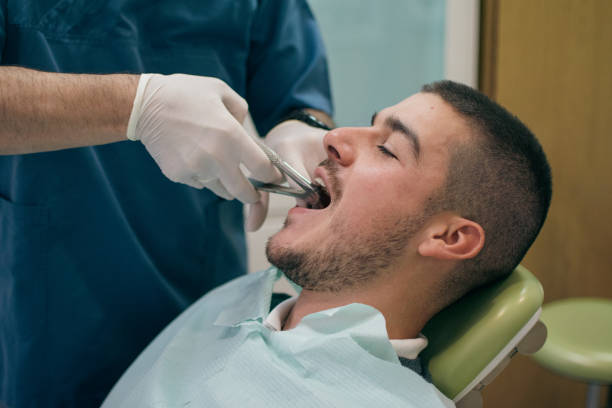
Patients experiencing repeated tooth pain or infections may eventually require tooth extraction services in San Jose if the tooth cannot be repaired.
3. Common Causes of Dental Emergencies
Dental emergencies can happen for many reasons. Understanding the common causes may help you reduce your risk.
Sports Injuries
Contact sports and physical activities are a major cause of cracked or knocked-out teeth. Wearing a custom mouthguard significantly lowers injury risk.
Untreated Cavities
Small cavities can worsen over time and eventually expose the tooth nerve, causing severe pain and infection.
Routine preventive dental cleanings help detect cavities early before they become emergencies.
Teeth Grinding
Chronic grinding weakens enamel and increases the risk of fractures, especially during sleep.
Hard Foods
Chewing ice, popcorn kernels, hard candy, or nuts can crack weakened teeth unexpectedly.
Old Dental Work
Aging crowns, fillings, or bridges may loosen or fail over time, especially without regular maintenance.
4. How Much Does an Emergency Dental Visit Cost in San Jose?
Costs in San Jose can vary depending on the severity of the issue and the treatment required. Here is a general idea of what patients can expect:
Emergency Exam & X-Ray
Most San Jose dental offices charge between $100 and $250 for an emergency exam and diagnostic X-rays.
Common Emergency Treatments
Simple fillings: $200–$400
Root canal treatment: $800–$1,500+
Dental crown placement: $1,000–$2,000
Tooth extractions: varies depending on complexity
No Insurance?
At Raman Nazari DDS, patients have access to flexible treatment options and membership plans designed to help reduce out-of-pocket expenses.
Patients dealing with missing or severely damaged teeth may also discuss long-term solutions like dental implants in San Jose after emergency treatment is completed.
5. ER vs. Dentist?
Many people automatically go to the emergency room for tooth pain. However, most ERs in California do not have a dentist on staff. Emergency rooms can prescribe antibiotics or pain medication, but they usually cannot perform dental procedures to fix the actual problem.
You Should Go to the ER If:
Your jaw may be broken
Swelling makes breathing or swallowing difficult
You have severe facial trauma
You have a high fever with dental swelling
Bleeding will not stop
You Should Call an Emergency Dentist If:
You have severe tooth pain
A crown or filling falls out
You crack or chip a tooth
You have gum swelling or sensitivity
A tooth gets knocked loose or completely out
For most dental emergencies, visiting a trusted San Jose dental practice is the fastest way to stop pain and save your tooth.
Emergency First Aid: The 10-Minute Checklist
Problem | Immediate Action |
|---|---|
Knocked-Out Tooth | Pick up by the crown, rinse gently, keep in milk or saline |
Broken Tooth | Save any pieces and rinse with warm water |
Severe Toothache | Floss gently and apply a cold compress |
Lost Filling | Cover the area with sugar-free gum temporarily |
Swollen Gums | Rinse with warm salt water and use a cold pack |
Loose Crown | Keep the crown safe and avoid chewing on that side |
How to Prevent Future Dental Emergencies
While accidents cannot always be avoided, many dental emergencies are preventable with proper oral care.
Helpful prevention tips include:
Visit your dentist every 6 months
Wear a mouthguard during sports
Avoid chewing hard objects
Treat cavities early
Address teeth grinding quickly
Maintain strong oral hygiene habits
Regular visits with a family dental office in San Jose help identify small problems before they become painful emergencies.
Expert Insight
"Timing is everything in an emergency. The faster we see you, the simpler—and less expensive—the fix usually is." — Dr. Raman Nazari, DDS
Dental emergencies are stressful, but knowing how to respond quickly can make a major difference in protecting your smile and preventing long-term complications. Whether you are dealing with a severe toothache, a broken crown, or a knocked-out tooth, seeking prompt professional care gives you the best chance of preserving your oral health and avoiding more extensive treatment later.
Blog