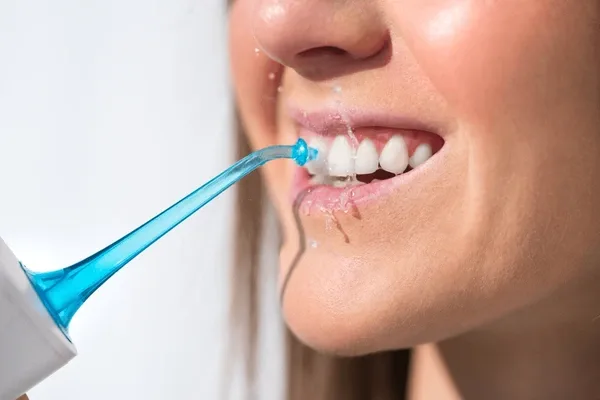
Periodontics
Periodontal disease is a progressive condition which leads to gum inflammation, the recession of bone and gum tissue, and tooth loss if left untreated. There are a variety of effective treatments and procedures available, including pocket irrigation, which can assist in treating the progression of the disease.
Pocket irrigation aims to cleanse plaque from the interdental (between teeth) and subgingival (under the gumline) regions of the mouth in order to prevent the colonization of harmful oral bacteria. This procedure is also used to deliver antibacterials to the subgingival areas.
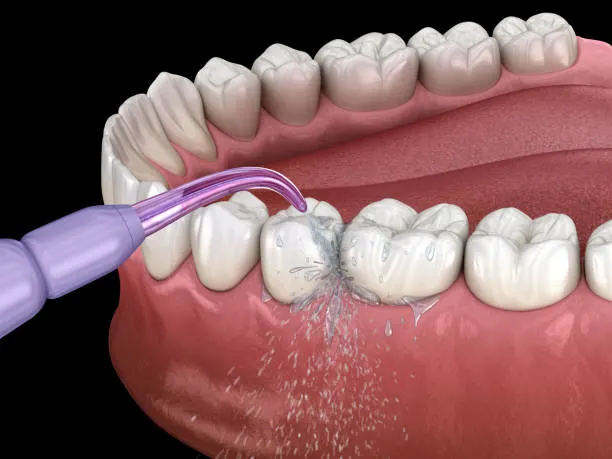
1. Interdental cleaning
Pocket irrigators blast plaque, food particles and other debris from between the teeth. The removal of harmful materials and bacteria keep the gum pockets cleaner and shallower, helping the gum tissue remain healthy.
2. Halitosis prevention
Halitosis (or bad breath) is generally a result of old food particles between the teeth, and tooth decay. A toothbrush or dental scraper alone may not be able to reach into the depths of the gum pockets, but water jets can flush out food particles and help clean above and below the gumline.
3. Subgingival cleaning
Pocket irrigators have a rounded tip which eliminates the risk of tissue damage while cleaning under the gumline. The side port opening facilitates extensive cleansing by flushing out bacteria, particles and toxins from below the gumline.
4. Antimicrobial application
Antimicrobial substances have proven effective for eliminating and preventing some strains of harmful oral bacteria. Antimicrobial substances can be combined with water, or used as a stand-alone treatment for successful pocket irrigation.