
Pediatric Dentistry
Why Are Primary Teeth Important?
Primary teeth, also known as “baby teeth” or “deciduous teeth,” begin to develop beneath the gums during the second trimester of pregnancy. Teeth begin to emerge above the gums approximately six months to one year after birth. Typically, preschool children have a complete set of 20 baby teeth – including four molars on each arch.
One of the most common misconceptions about primary teeth is that they are irrelevant to the child’s future oral health. However, their importance is emphasized by the American Dental Association (ADA), which urges parents to schedule a “baby checkup” with a pediatric dentist within six months of the first tooth emerges.
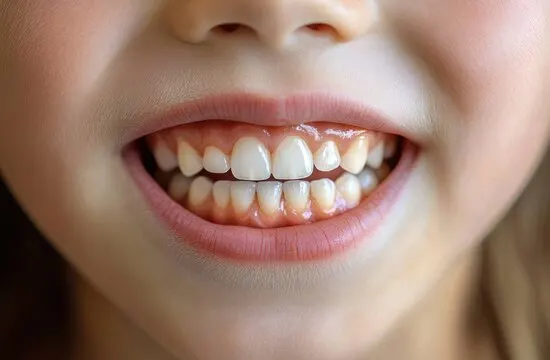
1. Speech production and development
Learning to speak clearly is crucial for cognitive, social, and emotional development. The proper positioning of primary teeth facilitates correct syllable pronunciation and prevents the tongue from straying during speech formation.
2. Eating and nutrition
Children with malformed or severely decayed primary teeth are more likely to experience dietary deficiencies, malnourishment, and to be underweight. Proper chewing motions are acquired over time and with extensive practice. Healthy primary teeth promote good chewing habits and facilitate nutritious eating.
3. Self-confidence
Even very young children can be quick to point out ugly teeth and crooked smiles. Taking good care of primary teeth can make social interactions more pleasant, reduce the risk of bad breath, and promote confident smiles and positive social interactions.